


INDICATIONS & IMPORTANT SAFETY INFO
INDICATIONS
IMPORTANT SAFETY INFORMATION
INDICATIONS
NUCALA is indicated for the:
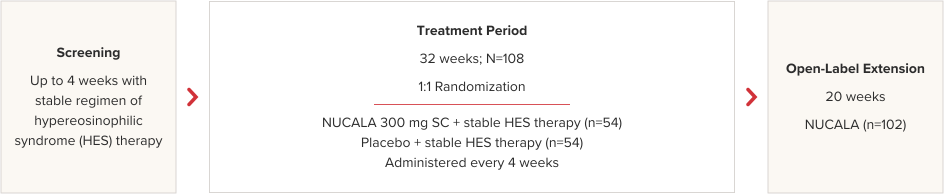
- treatment of adult and pediatric patients aged 12 years and older with hypereosinophilic syndrome (HES) for greater than or equal to 6 months without an identifiable non-hematologic secondary cause.
- add-on maintenance treatment of adult and pediatric patients aged 6 years and older with severe asthma and with an eosinophilic phenotype. NUCALA is not indicated for the relief of acute bronchospasm or status asthmaticus.
- add-on maintenance treatment of chronic rhinosinusitis with nasal polyps (CRSwNP) in adult patients aged 18 years and older with inadequate response to nasal corticosteroids.
- add-on maintenance treatment of adult patients with inadequately controlled chronic obstructive pulmonary disease (COPD) and an eosinophilic phenotype. NUCALA is not indicated for the relief of acute bronchospasm.
- treatment of adult patients with eosinophilic granulomatosis with polyangiitis (EGPA).
IMPORTANT SAFETY INFORMATION
CONTRAINDICATIONS
Known hypersensitivity to mepolizumab or excipients.
WARNINGS AND PRECAUTIONS
Hypersensitivity Reactions
Hypersensitivity reactions (eg, anaphylaxis, angioedema, bronchospasm, hypotension, urticaria, rash) have occurred with NUCALA. These reactions generally occur within hours of administration but can have a delayed onset (ie, days). Discontinue if a hypersensitivity reaction occurs.
Acute Symptoms of Asthma or COPD or Acute Deteriorating Disease
NUCALA should not be used to treat acute symptoms or acute exacerbations of asthma or COPD, or acute bronchospasm.
Opportunistic Infections: Herpes Zoster
Herpes zoster infections have occurred in patients receiving NUCALA. Consider vaccination if medically appropriate.
Reduction of Corticosteroid Dosage
Do not discontinue systemic or inhaled corticosteroids abruptly upon initiation of therapy with NUCALA. Decreases in corticosteroid doses, if appropriate, should be gradual and under the direct supervision of a physician. Reduction in corticosteroid dose may be associated with systemic withdrawal symptoms and/or unmask conditions previously suppressed by systemic corticosteroid therapy.
Parasitic (Helminth) Infection
Treat patients with pre-existing helminth infections before initiating therapy with NUCALA. If patients become infected while receiving NUCALA and do not respond to anti-helminth treatment, discontinue NUCALA until infection resolves.
ADVERSE REACTIONS
Most common adverse reactions (≥5%):
- Severe asthma trials: headache, injection site reaction, back pain, fatigue
- CRSwNP trial: oropharyngeal pain, arthralgia
- COPD trials: back pain, diarrhea, cough
- EGPA and HES trials (300 mg of NUCALA): most common adverse reactions were similar to severe asthma
Systemic reactions, including hypersensitivity, occurred in clinical trials in patients receiving NUCALA. Manifestations included rash, pruritus, headache, myalgia, flushing, urticaria, erythema, fatigue, hypertension, warm sensation in trunk and neck, cold extremities, dyspnea, stridor, angioedema, and multifocal skin reaction. A majority of systemic reactions were experienced the day of dosing.
USE IN SPECIFIC POPULATIONS
The data on pregnancy exposures are insufficient to inform on drug-associated risk. Monoclonal antibodies, such as mepolizumab, are transported across the placenta in a linear fashion as the pregnancy progresses; therefore, potential effects on a fetus are likely to be greater during the second and third trimesters.
Please see full Prescribing Information and Patient Information for NUCALA.
PMUS-MPLWCNT240088 May 2025